Tools for Dentistry: 10 Powerful Benefits of Ultrasonic Dental Technology
Modern dentistry has evolved significantly with the introduction of advanced technologies that improve treatment precision, efficiency, and patient comfort. Among the most important innovations are ultrasonic systems and modern tools for dentistry designed to support preventive care, restorative procedures, oral surgery, and periodontal treatments.
Ultrasonic technology has transformed how dental professionals clean teeth, remove plaque, perform root canal treatments, and maintain infection control. Combined with advanced tools for dentistry, ultrasonic devices help dentists deliver faster, safer, and more comfortable procedures.
In this educational and informational guide, you will learn everything about ultrasonic technology and tools for dentistry, including their uses, benefits, applications, maintenance, and future advancements in modern dental care.
What Are Tools for Dentistry?
Tools for dentistry are specialized instruments and equipment used by dental professionals to diagnose, treat, restore, and maintain oral health. These tools range from basic hand instruments to highly advanced ultrasonic and digital systems.
Common tools for dentistry include:
- Dental mirrors
- Scalers and curettes
- Ultrasonic scalers
- Dental handpieces
- Dental curing lights
- Intraoral cameras
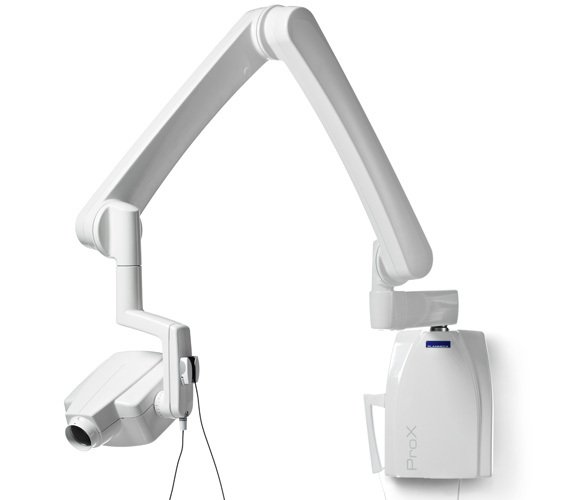
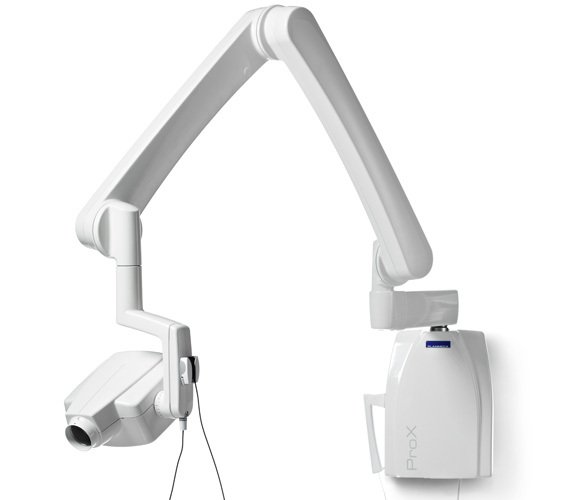
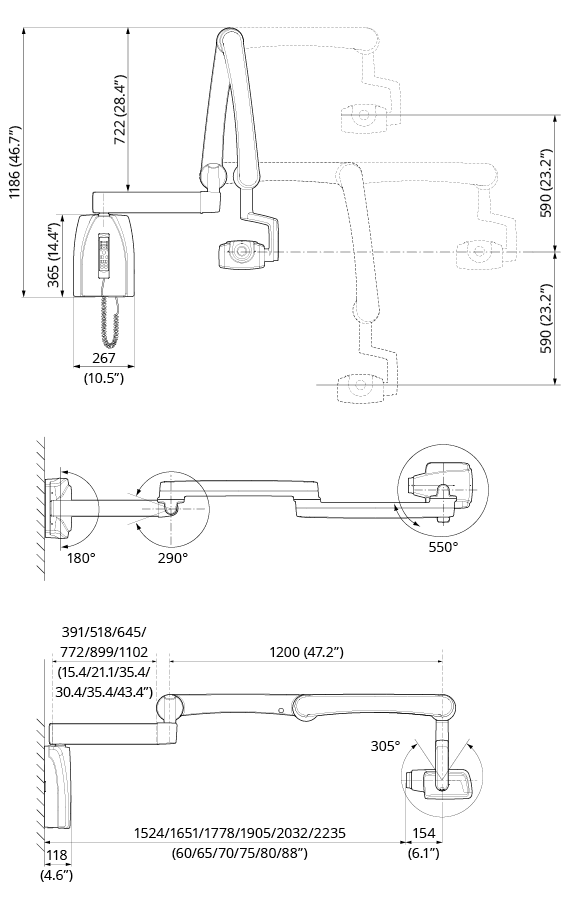
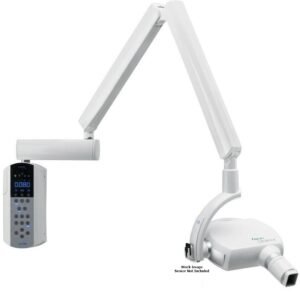
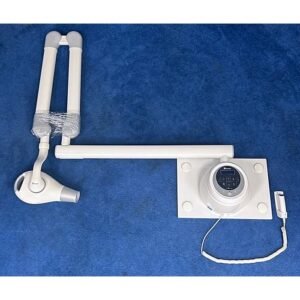
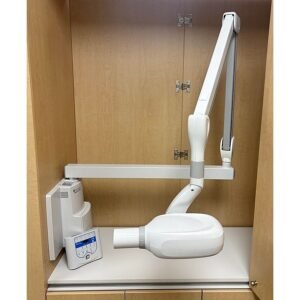
- X-ray systems
- Surgical instruments
Modern dental clinics depend on these tools for safe and effective patient care.
What Is Ultrasonic Dental Technology?
Ultrasonic dental technology uses high-frequency sound vibrations to perform dental procedures efficiently and accurately. Ultrasonic devices are commonly used for cleaning teeth, removing plaque and tartar, and supporting periodontal treatments.
Ultrasonic systems are widely used for:
- Dental scaling
- Plaque and tartar removal
- Periodontal therapy
- Root canal procedures
- Instrument cleaning
These advanced systems improve clinical efficiency and patient comfort.
Why Tools for Dentistry Are Important
Tools for Dentistry Improve Treatment Accuracy
Modern tools for dentistry help dental professionals perform procedures with greater precision and consistency.
Benefits include:
- Better diagnosis
- Improved treatment outcomes
- Enhanced patient safety
- Reduced procedural errors
Without modern dental tools, many advanced procedures would be difficult to perform effectively.
Types of Ultrasonic Tools for Dentistry
Ultrasonic Scalers
Ultrasonic scalers are among the most commonly used tools for dentistry.
Benefits of Ultrasonic Scalers
- Faster plaque removal
- Reduced manual effort
- Improved patient comfort
- Better periodontal cleaning
These devices use vibration and water spray to remove deposits from teeth.
Ultrasonic Endodontic Tools
These tools are used in root canal procedures to improve cleaning and precision.
Advantages include:
- Better canal cleaning
- Enhanced treatment accuracy
- Reduced procedural complications
Ultrasonic Instrument Cleaners
Dental clinics use ultrasonic cleaners to sterilize and clean instruments effectively.
Features include:
- Deep cleaning performance
- Reduced contamination risk
- Improved infection control
10 Powerful Benefits of Ultrasonic Tools for Dentistry
1. Improved Plaque and Tartar Removal
Ultrasonic systems remove deposits more efficiently than traditional manual scaling.
2. Enhanced Patient Comfort
Modern tools for dentistry reduce discomfort during procedures.
3. Faster Dental Procedures
Ultrasonic technology improves workflow efficiency and reduces treatment time.
4. Better Infection Control
Ultrasonic cleaning systems support sterilization and hygiene standards.
5. Improved Periodontal Treatment
Ultrasonic devices help clean deep periodontal pockets effectively.
6. Reduced Dentist Fatigue
Advanced equipment reduces manual effort during procedures.
7. Greater Treatment Precision
Ultrasonic technology improves procedural accuracy and consistency.
8. Enhanced Root Canal Cleaning
Ultrasonic endodontic tools improve canal debridement and treatment success.
9. Versatile Clinical Applications
These systems are used across many dental specialties.
10. Modern Professional Standards
Advanced tools improve the quality and efficiency of dental care.
Applications of Ultrasonic Tools for Dentistry
Preventive Dentistry
Tools for dentistry are essential for professional teeth cleaning and preventive care.
Periodontics
Ultrasonic devices improve gum disease treatment and periodontal maintenance.
Endodontics
Ultrasonic tools assist with root canal cleaning and precision procedures.
Oral Surgery
Advanced dental tools support surgical accuracy and patient safety.
How Ultrasonic Tools for Dentistry Improve Patient Care
Reduced Treatment Time
Ultrasonic technology allows faster and more efficient procedures.
Improved Comfort
Less pressure and vibration improve the patient experience.
Better Clinical Results
Advanced tools improve treatment accuracy and long-term outcomes.
Choosing the Best Tools for Dentistry
Consider Technology Quality
Reliable tools for dentistry provide consistent and effective performance.
Evaluate Ergonomic Features
Comfortable equipment improves workflow and reduces fatigue.
Check Maintenance Requirements
Easy-to-maintain systems improve operational efficiency.
Assess Supplier Support
Trusted manufacturers provide technical support and warranties.
Maintenance Tips for Ultrasonic Tools for Dentistry
Proper maintenance ensures long-lasting performance and patient safety.
Regular Cleaning
Clean ultrasonic devices after every procedure.
Sterilize Components Properly
Follow infection control protocols to maintain hygiene standards.
Inspect Equipment Frequently
Check tips, hoses, and electrical systems regularly.
Technological Advancements in Tools for Dentistry
Modern tools for dentistry continue evolving with innovations such as:
- AI-assisted diagnostics
- Wireless ultrasonic systems
- Smart sterilization technology
- Digital imaging integration
- Advanced ergonomic designs
These advancements improve efficiency, precision, and patient care.
Educational Importance of Tools for Dentistry
Dental schools use advanced tools for dentistry to train students in modern clinical procedures and infection control techniques.
Benefits include:
- Better hands-on training
- Improved procedural understanding
- Enhanced clinical confidence
Modern technology prepares students for professional dental practice.
DoFollow External Resources for Tools for Dentistry Information
Learn more about dental technologies and oral healthcare through these trusted DoFollow resources:
These resources provide valuable educational information about dental technology and modern dental equipment.
Future Trends in Ultrasonic Tools for Dentistry
The future of tools for dentistry includes:
- AI-powered ultrasonic systems
- Smart digital integration
- Improved wireless performance
- Enhanced ergonomic designs
- Advanced sterilization technology
These innovations will continue transforming modern dental clinics and improving patient care.
Conclusion
Modern tools for dentistry combined with ultrasonic technology have revolutionized dental healthcare. These systems improve cleaning efficiency, treatment precision, infection control, and patient comfort across many dental procedures.
By investing in advanced ultrasonic tools for dentistry, dental professionals can improve workflow efficiency, enhance treatment outcomes, and provide higher-quality patient care. As technology continues to evolve, ultrasonic systems and modern dental equipment will remain essential to the future of dentistry.
Reviews
There are no reviews yet.