0
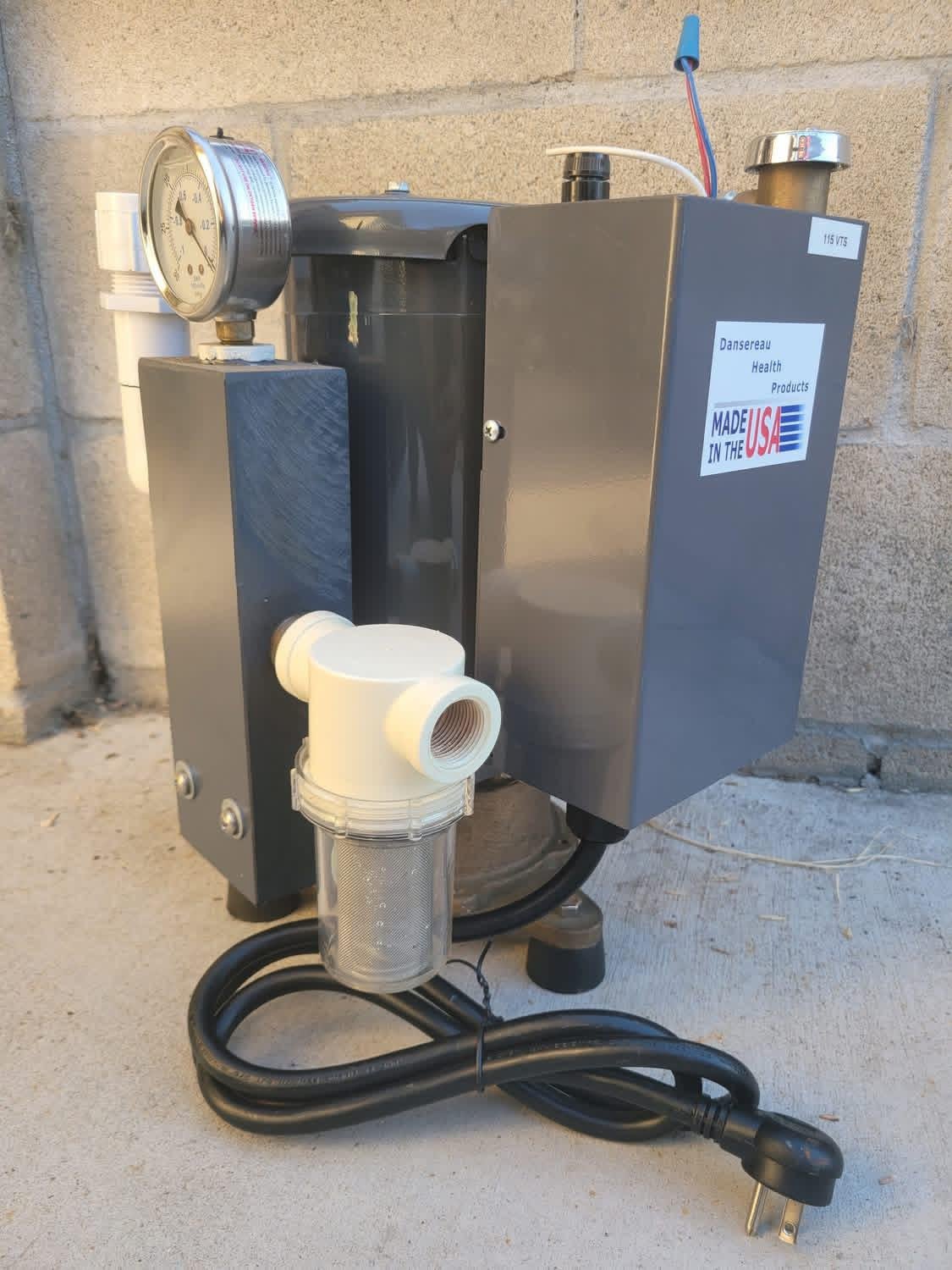
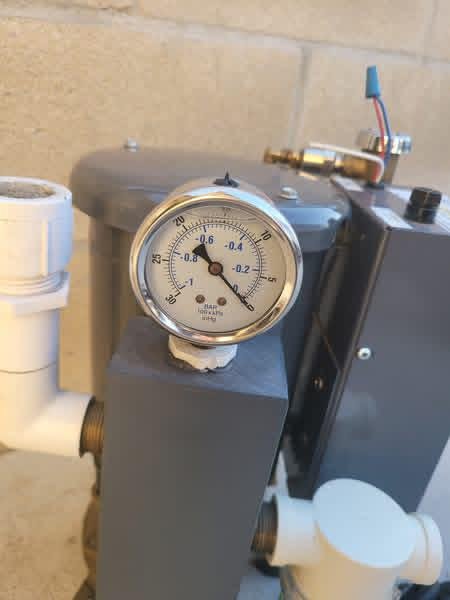
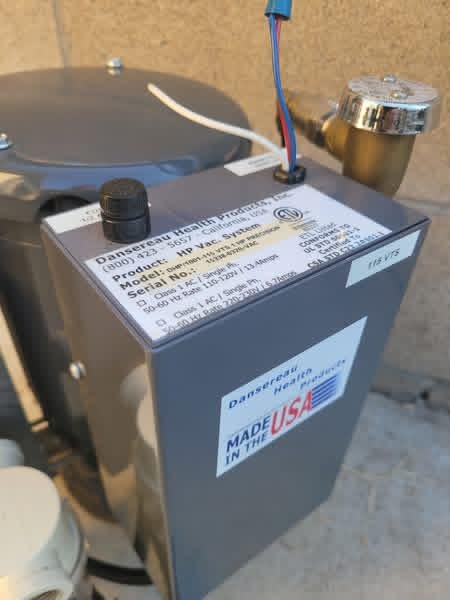
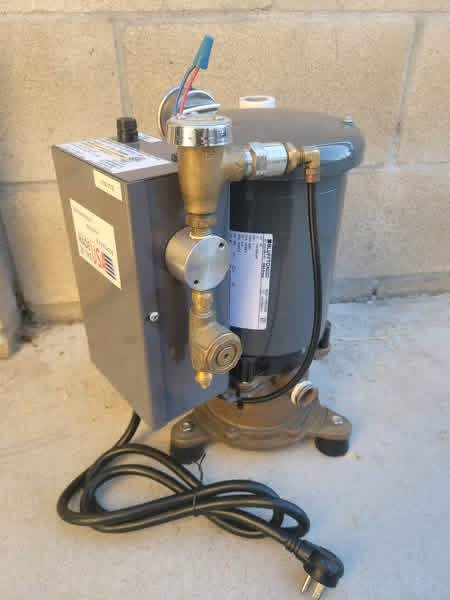
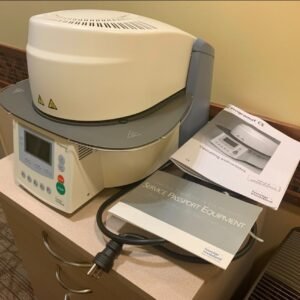
Dansereau VTS 1HP Precision Suction Vacuum Pump
$1,500.00
Condition:
•Completely rebuilt on July 28, 2025
•Fully tested and in excellent working condition
Electrical Specifications:
•Currently wired for 115V
•Can be reconfigured to other voltages if required
Maintenance & Upgrades:
•Motor bearings replaced (07/28/25)
•Seals replaced (07/28/25)
Key Features:
•High-performance precision suction system
•Reliable and durable for professional
Description
The Complete Dental Care Guide: Understanding Dental Instruments
Dental care is a vital part of overall health, yet it is often overlooked until problems arise. Modern dentistry has evolved significantly, thanks to advanced dental instruments that allow professionals to diagnose, treat, and prevent oral diseases with precision and efficiency. Whether you are a dental professional or a patient, understanding the importance of these tools can help you appreciate the science behind oral healthcare.
This guide explores the role of dental instruments, their types, benefits, and how they contribute to better dental outcomes.
What Is Dental Care?
Dental care refers to the maintenance of oral hygiene and the prevention, diagnosis, and treatment of diseases affecting the teeth, gums, and mouth. It involves routine practices such as brushing and flossing, as well as professional services like cleanings, fillings, and surgeries.
Modern dental care relies heavily on advanced dental instruments, which enable dentists to perform procedures accurately and safely.
Importance of Dental Instruments in Dentistry
Why Dental Instruments Are Essential
Dental instruments are crucial for every stage of dental care. From initial examination to complex surgical procedures, these tools ensure precision and effectiveness.
Key reasons why dental instruments are important:
- Enable early detection of oral diseases
- Improve treatment accuracy
- Enhance patient comfort
- Increase efficiency in dental procedures
Without proper dental instruments, even routine procedures like cleaning or cavity filling would be difficult to perform.
Types of Dental Instruments
Diagnostic Dental Instruments
Diagnostic tools are used to examine the oral cavity and identify potential issues. Common examples include:
- Mouth mirrors
- Dental explorers
- Periodontal probes
These dental instruments help dentists detect cavities, plaque buildup, and gum disease at an early stage.
Preventive Dental Instruments
Preventive instruments are used to maintain oral hygiene and prevent disease. These include:
- Scalers
- Curettes
- Polishing tools
Regular use of these dental instruments helps in removing plaque and tartar, reducing the risk of tooth decay and gum disease.
Restorative Dental Instruments
Restorative tools are designed to repair damaged teeth. Examples include:
- Dental handpieces
- Excavators
- Condensers
These dental instruments are essential for procedures like fillings, crowns, and bridges.
Surgical Dental Instruments
Surgical instruments are used in more complex procedures such as tooth extraction and gum surgery. These include:
- Forceps
- Elevators
- Surgical scissors
High-quality surgical instruments ensure precision and minimize patient discomfort.
Sterilization Equipment
Sterilization tools are critical for maintaining hygiene in dental clinics. These include:
- Autoclaves
- Ultrasonic cleaners
- Disinfection systems
Proper sterilization of instruments prevents infections and ensures patient safety.
How Instruments Improve Patient Care
Accuracy in Diagnosis
Advanced dental instruments allow dentists to detect oral health issues at an early stage, improving treatment success rates.
Enhanced Treatment Efficiency
Modern tools enable faster procedures, reducing the time patients spend in the dental chair.
Increased Patient Comfort
Innovative instruments are designed to minimize pain and discomfort, making dental visits less stressful.
Choosing the Right Instruments
Quality and Material
Always choose dental instruments made from high-quality materials such as stainless steel. Durable tools provide better performance and longevity.
Ergonomic Design
Ergonomically designed dental instruments reduce strain on dentists’ hands and improve precision during procedures.
Compliance with Standards
Ensure that all instruments meet international safety and quality standards for reliable performance.
Maintenance and Care of Instruments
Proper maintenance is essential to ensure the longevity and effectiveness of instruments.
Cleaning and Sterilization
Instruments should be cleaned and sterilized after every use to prevent contamination.
Regular Inspection
Check for wear and tear regularly and replace damaged instruments promptly.
Proper Storage
Store instruments in a clean, dry environment to prevent corrosion and damage.
Technological Advancements in Instruments
Technology has revolutionized the field of dentistry, leading to the development of advanced dental instruments.
Examples include:
- Digital X-ray systems
- Laser dental tools
- CAD/CAM technology for restorations
These innovations have made dental procedures more precise, efficient, and less invasive.
External Resources for Knowledge
To deepen your understanding of dental care and dental instruments, explore these trusted resources:
- World Health Organization – Oral Health
- American Dental Association – Oral Health Topics
- Centers for Disease Control and Prevention – Oral Health
These DoFollow resources provide reliable information on oral health practices and dental advancements.
Benefits of Investing in Quality Instruments
Investing in high-quality instruments offers several advantages:
- Improved treatment outcomes
- Reduced risk of complications
- Long-term cost savings
- Enhanced patient satisfaction
Reliable tools are essential for maintaining high standards in dental practice.
Future of Instruments
The future of instruments is driven by innovation and sustainability. Emerging trends include:
- AI-powered diagnostic tools
- Smart dental devices
- Eco-friendly materials
- Minimally invasive technologies
These advancements will continue to improve the quality and accessibility of dental care worldwide.
Conclusion
Dental care is an essential aspect of overall health, and instruments play a crucial role in ensuring effective treatment and prevention of oral diseases. From diagnosis to surgery, these tools enable dentists to deliver precise and efficient care.
By understanding the types, importance, and maintenance of instruments, both professionals and patients can appreciate the value of modern dentistry. Investing in high-quality tools and staying updated with technological advancements is key to achieving optimal oral health outcomes
Reviews
There are no reviews yet.