0
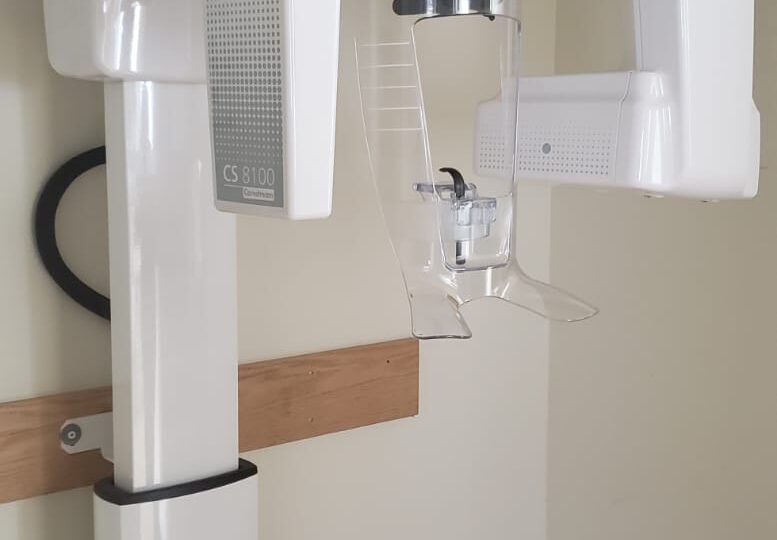
Dental Tools: 10 Powerful Benefits of Modern Dental Trimmer Technology
Dental Tools: 10 Powerful Benefits of Modern Dental Trimmer Technology
Modern dentistry relies on precision, efficiency, and advanced laboratory techniques to deliver high-quality patient care. Among the most important laboratory and clinical equipment used today are trimmers and professional dental tools. Dental trimmers play a critical role in shaping, smoothing, and refining dental models, restorations, and prosthetic materials with accuracy and consistency.
High-quality dental tools improve workflow efficiency, treatment precision, and restoration quality in both dental clinics and laboratories. Trimmer systems are especially important in restorative dentistry, orthodontics, prosthodontics, and dental laboratory procedures where precise model preparation is essential.
In this educational and informational guide, you will learn everything about dental tools and trimmer technology, including their functions, applications, benefits, maintenance, and future innovations in modern dentistry.
What Are Dental Tools?
Dental tools are specialized instruments and equipment used by dental professionals and technicians to diagnose, treat, restore, and maintain oral health. These tools range from basic hand instruments to advanced laboratory machines and digital systems.
Common dental tools include:
- Dental mirrors
- Scalers and curettes
- Dental handpieces
- Ultrasonic cleaners
- Dental trimmers
- CAD/CAM systems
- Polishing units
- Dental curing lights
These tools support safe, efficient, and accurate dental procedures.
What Is a Dental Trimmer?
A dental trimmer is a specialized machine used to shape and smooth dental stone models, casts, and prosthetic materials. Trimmers are commonly found in dental laboratories, orthodontic clinics, and restorative dental practices.
Dental trimmers are commonly used for:
- Trimming dental casts
- Shaping stone models
- Preparing orthodontic models
- Smoothing restoration edges
- Improving prosthetic accuracy
Modern trimmers improve laboratory efficiency and restoration quality.
Why Dental Tools Are Important
Dental Tools Improve Clinical and Laboratory Accuracy
Professional dental tools help dental professionals and technicians perform procedures with greater precision and consistency.
Benefits include:
- Better restoration accuracy
- Improved workflow efficiency
- Enhanced patient outcomes
- Reduced procedural errors
Without advanced dental tools, many modern restorative procedures would be difficult to perform accurately.
Types of Dental Trimmers
Wet Dental Trimmers
Wet trimmers use water during operation to reduce dust and improve cutting performance.
Benefits of Wet Dental Trimmers
- Reduced dust production
- Improved safety
- Better cutting precision
- Cleaner working environment
These systems are commonly used in dental laboratories.
Dry Dental Trimmers
Dry trimmers operate without water and are designed for specific laboratory applications.
Advantages include:
- Easy maintenance
- Portable design
- Efficient trimming performance
Diamond Wheel Dental Trimmers
Diamond wheel systems provide precise and smooth trimming performance.
Features include:
- Enhanced durability
- Better cutting accuracy
- Improved surface finishing
10 Powerful Benefits of Dental Tools and Trimmer Technology
1. Improved Model Accuracy
Modern dental tools help technicians create highly accurate dental models.
2. Faster Workflow Efficiency
Dental trimmers reduce preparation time and improve productivity.
3. Better Restoration Quality
Precise trimming improves the fit and appearance of restorations.
4. Reduced Material Waste
Advanced trimmers help minimize unnecessary material removal.
5. Improved Laboratory Safety
Wet trimmers reduce airborne dust and improve working conditions.
6. Enhanced Orthodontic Model Preparation
Trimmers improve the quality of orthodontic study models.
7. Increased Productivity
Efficient equipment allows laboratories to handle more cases.
8. Better Prosthetic Precision
Accurate trimming supports improved prosthetic fit and function.
9. Long-Term Equipment Durability
Modern trimmers are designed for reliable and long-lasting performance.
10. Professional Clinical and Laboratory Standards
Advanced dental tools improve overall treatment quality and professionalism.
Applications of Dental Tools and Trimmers
Restorative Dentistry
Dental tools and trimmers support crown, bridge, and veneer fabrication.
Orthodontics
Dental trimmers are widely used to prepare orthodontic models and appliances.
Prosthodontics
Trimmers improve denture fabrication and prosthetic adjustments.
Dental Laboratories
Laboratory technicians rely on trimmers for model shaping and restoration preparation.
How Dental Tools Improve Patient Care
Better Restoration Fit
Accurate models improve treatment precision and patient comfort.
Faster Treatment Turnaround
Efficient trimming systems reduce laboratory processing times.
Improved Treatment Outcomes
Precise restorations improve long-term patient satisfaction.
Choosing the Best Dental Tools and Trimmers
Consider Cutting Precision
Reliable dental tools should provide accurate and consistent trimming performance.
Evaluate Durability
High-quality trimmers offer long operational lifespan and reliability.
Check Safety Features
Wet trimmers and protective systems improve workplace safety.
Assess Ease of Maintenance
Easy-to-clean systems improve workflow efficiency and equipment lifespan.
Maintenance Tips for Dental Trimmers
Proper maintenance ensures reliable performance and long-term durability.
Clean Equipment Regularly
Remove debris and buildup after every use.
Inspect Trimming Wheels Frequently
Check wheels and moving parts for wear and damage.
Follow Manufacturer Guidelines
Proper maintenance procedures improve safety and performance.
Technological Advancements in Dental Tools
Modern tools continue evolving with innovations such as:
- AI-assisted laboratory systems
- Digital model scanning
- Smart trimming automation
- Enhanced dust control systems
- Advanced CAD/CAM integration
These advancements improve restoration quality, workflow efficiency, and laboratory productivity.
Educational Importance of Tools
Dental schools and laboratory training institutions use advanced dntal tools to teach students restorative techniques and laboratory procedures.
Benefits include:
- Better hands-on learning
- Improved technical understanding
- Enhanced laboratory skills
Modern equipment prepares students for professional dental practice and laboratory work.
DoFollow External Resources for Tools Information
Learn more about dental technologies and oral healthcare through these trusted DoFollow resources:
- American Dental Association – Oral Health Topics
- National Institute of Dental and Craniofacial Research
- World Health Organization – Oral Health
- Centers for Disease Control and Prevention – Oral Health Resources
- Dental Tribune – Dental Technology News
These resources provide valuable educational information about dental technology and modern dental equipment.
Future Trends in Tools and Trimmer Technology
The future of tools includes:
- AI-powered trimming systems
- Smart digital laboratory integration
- Improved ergonomic equipment
- Advanced automated model preparation
- Eco-friendly laboratory technologies
These innovations will continue transforming modern dental laboratories and restorative dentistry.
Conclusion
Modern dental and trimmer systems play a critical role in improving restoration accuracy, laboratory efficiency, and patient care. Dental trimmers help technicians create precise models and restorations while supporting professional clinical standards.
By investing in advanced dental and trimming technology, dental clinics and laboratories can improve workflow efficiency, enhance restoration quality, and provide better patient outcomes. As dental technology continues to evolve, trimmer systems will remain essential in modern restorative dentistry and dental laboratory procedures.
