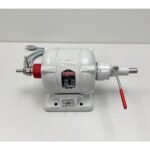
Dental instruments are essential tools used by dental professionals for examination, diagnosis, prevention, treatment, restoration, and routine patient care. From simple examination mirrors to specialized surgical instruments, each tool has a specific purpose within the dental practice.
Understanding the different types of dental instruments can help dental professionals, students, and practice managers make informed decisions when selecting equipment. Proper instrument selection, cleaning, sterilization, storage, and maintenance are also important parts of maintaining a safe and efficient clinical environment.
What Are Dental Instruments?
Dental instruments are specialized tools designed to help dentists and other qualified dental professionals perform clinical procedures. They can be used for examining teeth and soft tissues, removing deposits, preparing teeth, placing restorative materials, performing surgical procedures, and carrying out other dental treatments.
Depending on their purpose, dental instruments can range from basic hand instruments to sophisticated powered or electronic equipment. The appropriate instruments depend on the procedure being performed and the professional requirements of the dental practice.
For general information about infection prevention in dental settings, dental professionals can consult the CDC’s dental infection prevention resources.
7 Common Types of Dental Instruments
1. Dental Examination Instruments
Examination instruments are among the most frequently used tools in a dental office. They allow professionals to inspect teeth, gums, and other areas of the mouth.
Common examination tools include:
- Dental mirrors
- Explorers
- Periodontal probes
- Cotton pliers
- Intraoral examination tools
A dental mirror provides indirect vision and can help improve access to areas that are difficult to see directly. Explorers and probes can assist qualified professionals during clinical examination and assessment.
2. Dental Instruments for Periodontal Care
Periodontal instruments are designed for procedures involving the teeth, gums, and supporting structures. They are commonly used during professional cleaning and periodontal treatment.
Examples include:
- Periodontal probes
- Scalers
- Curettes
- Periodontal files
Hand scalers can be used to remove deposits from tooth surfaces, while curettes are designed for specific periodontal applications.
The exact instrument selected depends on the clinical procedure, tooth anatomy, and treatment requirements.
3. Restorative Dental Instruments
Restorative instruments are used during procedures designed to restore damaged or decayed teeth. These instruments help dental professionals prepare, place, shape, and finish restorative materials.
Common examples include:
- Excavators
- Pluggers
- Condensers
- Burnishers
- Carvers
- Composite placement instruments
Different restorative materials and techniques may require different instruments. Choosing appropriate tools can help professionals maintain an organized and efficient workflow.
4. Dental Surgical Instruments
Dental surgical instruments are specialized tools used during oral and dental surgical procedures. They require appropriate handling, cleaning, sterilization, and storage.
Examples can include:
- Dental extraction forceps
- Elevators
- Surgical curettes
- Retractors
- Hemostatic instruments
Because surgical procedures require strict infection-control practices, dental teams should follow applicable professional standards and manufacturer instructions when handling these instruments.
5. Endodontic Instruments
Endodontic instruments are used in procedures involving the inside of the tooth, particularly root canal treatment.
Examples include:
- Endodontic files
- Reamers
- Spreaders
- Pluggers
- Canal measuring instruments
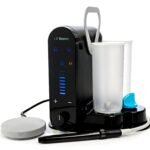
Modern endodontic treatment may combine traditional hand instruments with specialized powered systems and electronic equipment. The instruments selected depend on the procedure, technique, and professional preference.
6. Orthodontic Instruments
Orthodontic instruments are designed for procedures involving braces, wires, brackets, and other orthodontic appliances.
Common examples include:
- Orthodontic pliers
- Wire cutters
- Bracket positioning tools
- Ligature instruments
- Band-removing instruments
These instruments are designed for specific orthodontic tasks and can help professionals work efficiently during adjustments and treatment.
7. Dental Laboratory Instruments
Dental laboratories also use specialized instruments and equipment when creating crowns, bridges, dentures, orthodontic appliances, and other dental restorations.
Laboratory tools may include:
- Wax instruments
- Mixing tools
- Articulating instruments
- Carving tools
- Finishing instruments
The laboratory environment has different equipment requirements from a clinical dental practice, so instruments should be selected according to the intended application.
Why Choosing Quality Dental Instruments Matters
Selecting appropriate dental instruments is an important consideration for dental practices. Instruments should be suitable for their intended clinical application and compatible with the procedures performed by the practice.
Quality instruments may offer benefits such as:
- Consistent handling
- Appropriate ergonomics
- Durable construction
- Easy cleaning
- Reliable performance
- Better organization of clinical workflows
Professionals should consider factors such as material, design, ergonomics, intended use, maintenance requirements, and manufacturer guidance before purchasing dental instruments.
Dental Instruments and Infection Control
Infection prevention is a critical consideration when using reusable dental instruments. Instruments that come into contact with patients must be handled according to appropriate infection-control procedures.
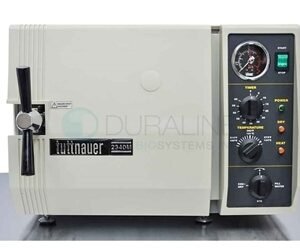
Depending on the instrument and its intended use, processing may involve cleaning, disinfection, packaging, sterilization, and appropriate storage.
Dental practices should follow current recommendations from recognized health authorities and professional organizations. The World Health Organization’s oral health resources provide additional information about oral health and related healthcare considerations.
The American Dental Association also provides professional resources covering dental practice, clinical topics, and oral health.
How to Clean and Maintain Dental Instruments
Proper maintenance can help keep reusable instruments in suitable condition and may extend their useful service life.
A general instrument-care process can include:
- Follow manufacturer instructions: Different instruments may require specific cleaning and sterilization procedures.
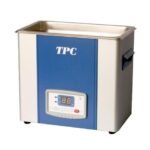
- Remove contaminants promptly: Appropriate pre-cleaning procedures can prevent debris from drying onto instruments.
- Use suitable cleaning methods: Follow the instrument manufacturer’s recommendations.
- Inspect instruments: Look for corrosion, damage, wear, or other problems.
- Package instruments correctly: Instruments intended for sterilization should be prepared according to established procedures.
- Sterilize appropriately: Use validated sterilization processes suitable for the instrument.
- Store properly: Keep processed instruments protected until they are needed.
For detailed infection-control recommendations, consult official guidance rather than relying solely on general online advice.
How to Choose the Right Dental Instruments
When purchasing dental instruments, dental practices should consider more than price alone. The right choice depends on the practice's procedures, professional requirements, instrument quality, and maintenance needs.
Consider these factors:
Intended Use
Identify exactly what procedure the instrument will support. A periodontal instrument, for example, has different applications from an extraction instrument.
Material and Construction
Look for suitable materials and construction that meet the requirements of the intended application. Stainless steel is widely used for many reusable dental hand instruments because of its practical properties.
Ergonomic Design
Dental professionals may use instruments repeatedly throughout the working day. Handle shape, weight, balance, and grip can therefore be important considerations.
Maintenance Requirements
Check how an instrument should be cleaned, sterilized, lubricated, and stored before purchasing it.
Manufacturer Information
Always review manufacturer specifications, instructions, and intended-use information. This can help ensure that instruments are appropriate for the planned application.
Dental Instruments for Modern Dental Practices
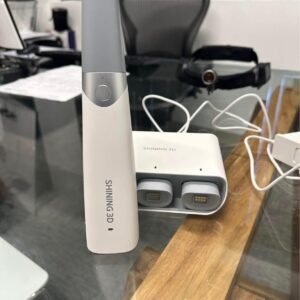
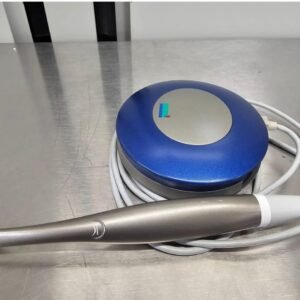
Today's dental practices combine traditional hand instruments with advanced technology. Digital imaging, intraoral scanners, powered handpieces, electronic systems, and other technologies can complement conventional dental tools.
However, advanced technology does not eliminate the importance of basic dental instruments. Examination mirrors, probes, scalers, forceps, curettes, restorative tools, and other hand instruments continue to play important roles in everyday dental care.
A well-organized practice should therefore consider both essential hand instruments and specialized technology when planning its equipment needs.
Frequently Asked Questions About Dental Instruments
What are dental instruments used for?
Dental instruments are used for examination, cleaning, diagnosis, restorative procedures, periodontal care, surgery, orthodontics, endodontics, and other professional dental applications.
What are the most common dental instruments?
Common examples include dental mirrors, explorers, periodontal probes, scalers, curettes, forceps, elevators, excavators, condensers, and restorative instruments.
How should dental instruments be maintained?
Reusable instruments should be cleaned, inspected, sterilized, and stored according to applicable infection-control procedures and the manufacturer's instructions.
Are all dental instruments reusable?
No. Some dental products are designed for single use, while others are manufactured for repeated use. Always follow the manufacturer's intended-use and processing instructions.
Where can dental professionals find dental instruments?
Dental professionals can purchase instruments through specialized dental suppliers and manufacturers. When selecting products, consider intended use, quality, compatibility, maintenance requirements, and professional needs.
Final Thoughts on Dental Instruments
Dental instruments are fundamental to the daily operation of modern dental practices. From examination and preventive care to restorative, periodontal, surgical, orthodontic, and endodontic procedures, the right instruments help qualified professionals perform their work effectively.
For dental practices looking to purchase new equipment or replace existing tools, careful consideration of quality, design, intended use, maintenance, and infection-control requirements can support better purchasing decisions.
At ProDentalSupply, our goal is to help dental professionals explore a range of dental equipment and supplies for modern practice needs. Whether you are equipping a new clinic or upgrading an existing practice, understanding the purpose and requirements of different dental instruments is an important first step toward making informed equipment choices.